Travel Platforms for Business: Ultimate Guide to Choosing the Best Corporate Travel Solutions in 2025
Corporate travel has become more complex than ever. With teams working across cities and continents, managing logistics, compliance, safety, and costs requires powerful tools. Travel platforms built specifically for business offer centralized booking, policy enforcement, data analytics, and traveler support—all from a cloud-based interface. For companies aiming to optimize operations and control spend, choosing the right travel platform is essential.
This in-depth guide explains the world of business travel platforms, how they function, the transformative impact of technology, real-world examples, use cases, practical benefits, and expert Q&A.
What Are Travel Platforms for Business?
Travel platforms for business are software-as-a-service (SaaS) solutions designed to manage end-to-end corporate travel. They integrate flight, hotel, and ground transportation booking tools with corporate travel policies, approval workflows, expense systems, and traveler safety mechanisms. These platforms serve both travel managers and employees by consolidating travel processes while ensuring transparency and control.
Unlike consumer travel portals, business travel platforms incorporate features like negotiated fare access, multi-level approval chains, real-time alerts, and reporting dashboards. Companies of all sizes—from startups to global enterprises—rely on these platforms to reduce manual tasks, enforce compliance, and gather actionable data on travel spend.
Core Features of Business Travel Platforms

Business travel platforms typically include several critical modules:
-
Centralized Booking Engine: Enables employees to book flights, hotels, trains, and cars in one unified interface.
-
Policy Management: Automatically validates bookings against company travel rules, flagging violations in real time.
-
Approval Workflows: Sends booking requests to appropriate managers using predefined approval hierarchies.
-
Expense Integration: Syncs travel data with expense platforms to simplify reimbursement and accounting.
-
Traveler Safety and Support: Offers location tracking, emergency alerts, and 24/7 assistance.
-
Reporting and Analytics: Provides insights on travel spend, compliance, supplier usage, and policy effectiveness.
By integrating these features, travel platforms minimize administrative overhead, enhance visibility, and improve traveler experience.
The Role of Technology in Enhancing Travel Platforms.
Technology drives efficiency and innovation in corporate travel management. Modern platforms leverage:
-
Automation: Booking, approval, and expense processes are largely automated, eliminating manual data entry and reducing errors.
-
Artificial Intelligence: Machines recommend travel options based on preferences, costs, and historical behavior, while chatbots assist travelers instantly.
-
Cloud Architecture: Platform accessibility from any device enables distributed teams to manage their travel, while data remains centralized for managers.
-
Real-Time Communications: Push notifications inform travelers of delays, gate changes, or disruptions, improving responsiveness.
-
Predictive Analytics: Historical travel data informs better budgeting, supplier negotiations, and policy adjustments.
These technologies combine to yield cost savings, operational speed, traveler satisfaction, and strategic insights.
Leading Travel Platforms for Business
1. SAP Concur
Description: SAP Concur offers end-to-end travel, expense, and invoice management solutions. It is renowned for its global reach, strong integration capabilities, and advanced reporting.
Relevance: A multinational consulting firm with extensive travel across regions uses SAP Concur to enforce travel policies and sync itineraries with expense systems. Concur’s dashboards enable finance teams to track and forecast travel budgets, improving overall cost control.
2. TravelPerk
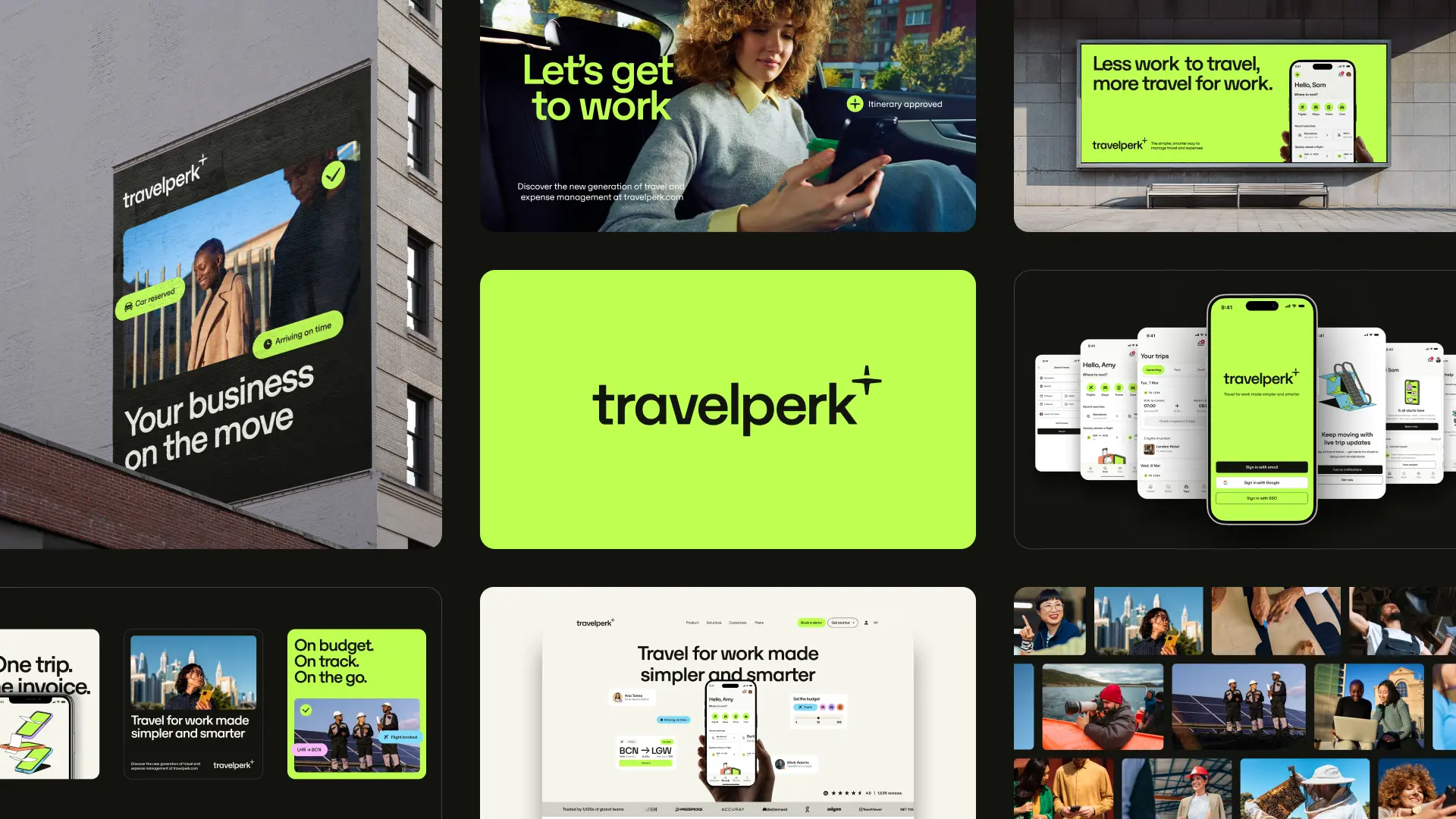
Description: TravelPerk emphasizes ease-of-use, flexibility, and sustainability. It features real-time booking, customization options, group management, and environmental reporting.
Relevance: A fast-growing tech startup deploys TravelPerk to manage team travel while emphasizing remote and hybrid work arrangements. The platform’s carbon offset calculator and policy controls help align with ESG goals while maintaining booking flexibility.
3. Navan (formerly TripActions)
Description: Navan blends corporate travel and expense management with AI-driven insights and a seamless mobile experience. It automatically adjusts to policy changes and market rates.
Relevance: A legal services chain uses Navan to coordinate urgent travel for court cases. The platform facilitates last-minute bookings with policy compliance and integrates traveler tracking to ensure accountability.
4. Egencia
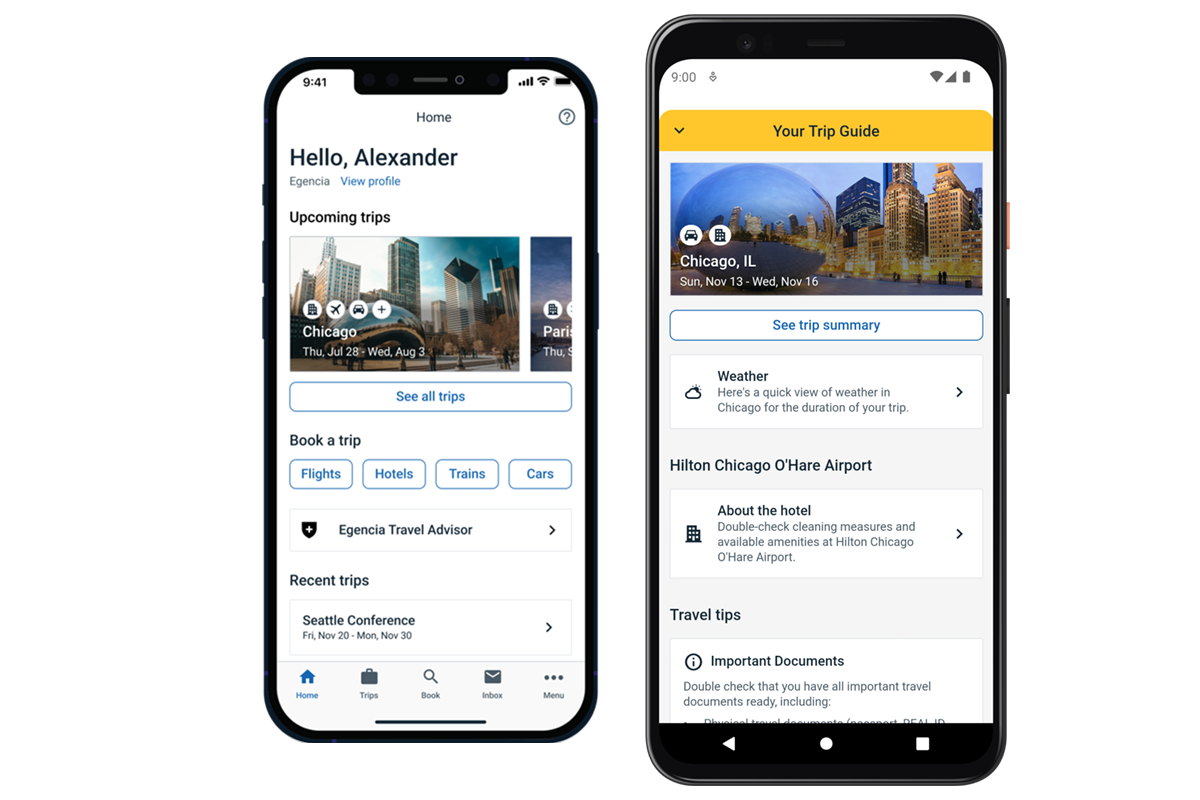
Description: Egencia, part of American Express Global Business Travel, provides travel booking, compliance, analytics, and personalized traveler guidance using AI and service agents.
Relevance: A global pharma company with frequent clinical trial site visits leverages Egencia to ensure travel policy adherence, track travel profiles, and access 24/7 support in critical geographies.
5. Zoho Expense with Travel Module
Description: Zoho’s expense platform includes travel booking features that integrate directly with its expense and finance suite, ideal for Zoho ecosystem users.
Relevance: A small consulting firm using Zoho CRM and Projects adopts Zoho Expense to allow employees to book travel seamlessly while capturing receipts and reconciling expenses via a unified dashboard.
Practical Benefits of Business Travel Platforms
Adopting a travel platform transforms corporate travel in several meaningful ways:
-
Cost Management: Direct access to negotiated rates and analytics helps enforce budget limits and pinpoints overspending trends.
-
Policy Enforcement: Automated checks during booking prevent out-of-policy bookings, reducing compliance risk.
-
Time Savings: Employees self-serve bookings, and finance teams use automated reconciliations, cutting administrative time significantly.
-
Traveler Well-Being: Real-time alerts and support ensure travelers receive timely help during disruptions.
-
Data-Driven Strategy: Analytics dashboards empower leadership to make informed decisions about vendor partnerships and travel budgets.
-
Sustainability Reporting: Platforms like TravelPerk and Navan offer carbon calculations and offsetting tools to help companies meet ESG targets.
These benefits provide a measurable return on investment and elevate travel from an operational task to a strategic function.
Use Cases and Problem-Solving Applications

Scenario: Scaling Remote Work Travel
A distributed design agency plans quarterly in-person sprints for team cohesion. Using a travel platform, employees book by team, policy enforcement is uniform, and costs are tracked per event. The system’s carbon reporting supports the company’s green office policy.
Scenario: Managing Crisis Situations
During a regional travel shutdown due to natural disasters, a manufacturing enterprise monitors travelers’ locations via the platform. It triggers reroute plans and secures emergency lodging for affected staff, minimizing downtime and ensuring safety.
Scenario: Desktop to Distribution Cost Oversight
A retail chain expanded across As, and faced inconsistent travel practices. Implementing a business travel platform with centralized booking and budgeting, reducing travel costs by 20% and improving compliance to 95%.
Scenario: Event-Heavy Industries
A SaaS firm routinely attends trade shows. The platform centralized all bookings, arranged group transport and hotel blocks, and provided post-event spend analytics—streamlining event logistics and cost allocation.
Frequently Asked Questions (FAQ)
Q1. What differentiates a business travel platform from a standard travel booking site?
Standard sites focus on leisure and individual travel, lacking policy controls, analytics, approvals, and expense integration. Business travel platforms are purpose-built for organizations, offering governance, compliance, data transparency, and centralized management.
Q2. Are travel platforms suitable for small businesses?
Yes. Most platforms offer scalable tiers and modular features ideal for small and midsize enterprises. Even teams with moderate travel needs benefit from centralization, cost transparency, and simplified expense tracking.
Q3. How secure is employee data within these platforms?
Reputable platforms use encryption, role-based access, and compliance with data regulations like GDPR. Providers maintain certifications and conduct regular security audits. Companies should verify platform compliance and data protection measures before adoption.