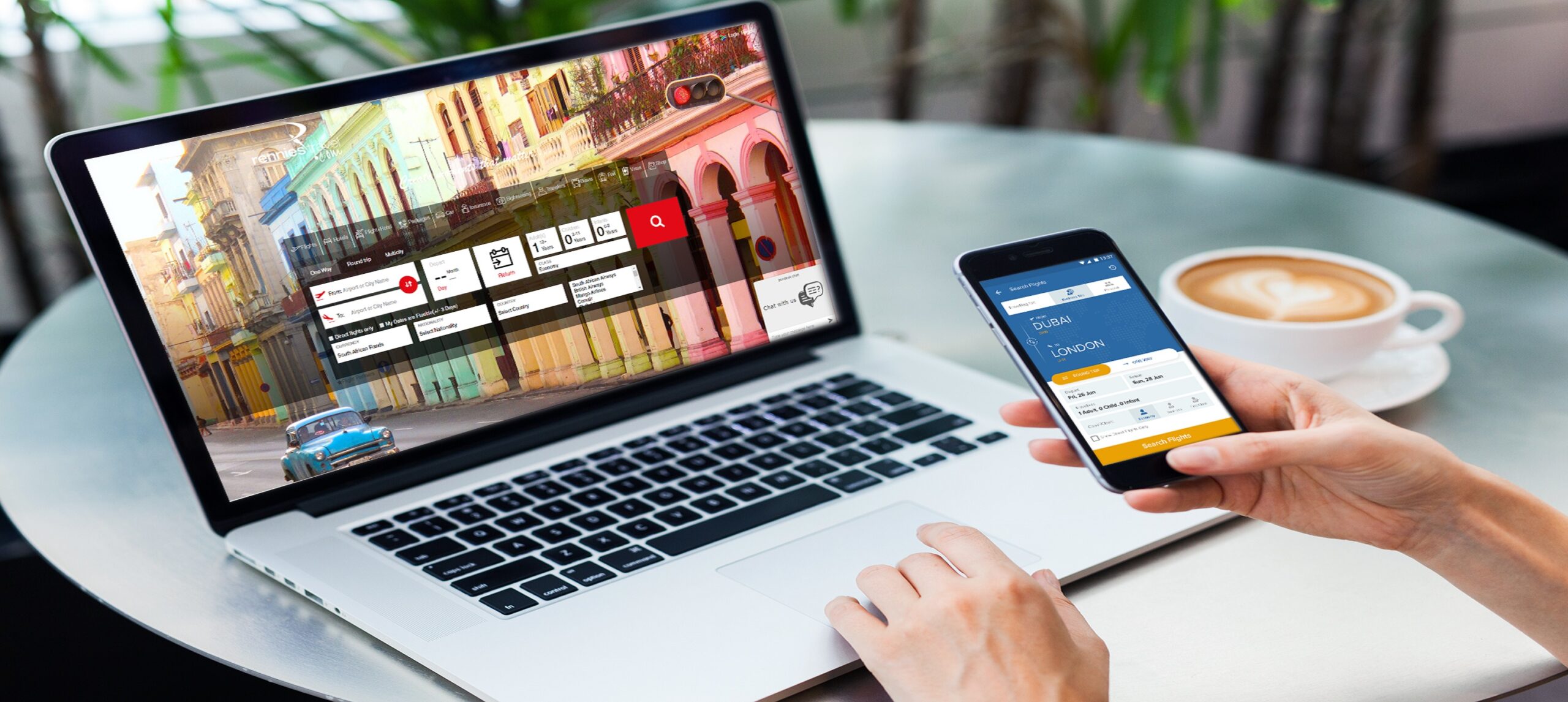
What Is a Company Travel Booking System? Complete Guide, Use Cases, and Benefits for Modern Businesses
Managing business travel has become increasingly complex, especially for companies operating across multiple cities or countries. A company travel booking system streamlines the entire corporate travel process—from planning and approval to booking, expense tracking, and reporting. This digital solution has become a core part of modern business operations, especially for organizations that regularly send employees on business trips.
This comprehensive guide explains what a company travel booking system is, how it works, the technology behind it, and how companies are using it to optimize costs, increase compliance, and improve traveler safety.
Understanding the Company Travel Booking System
A company travel booking system is a centralized platform that allows businesses to manage all aspects of corporate travel in one place. It integrates booking tools, travel policies, approval workflows, expense tracking, and real-time reporting to give full visibility and control over business trips.
Unlike personal travel booking websites, these systems are tailored to enterprise needs. They often include policy enforcement mechanisms, negotiated rates with vendors, traveler profiles, and automated reporting functions. This allows travel managers and HR departments to maintain control while offering employees a self-service portal for convenience.
The rise of remote teams, frequent travel for client meetings, and global expansion have made these systems more critical than ever. Businesses that rely on spreadsheets or email chains for booking face inefficiencies, missed savings, and compliance issues.
Key Functions of a Corporate Travel Booking System.
A robust company travel booking system typically includes the following key functionalities:
-
Centralized Booking Platform: Allows users to book flights, hotels, rental cars, and trains from a single interface while comparing vendor options.
-
Travel Policy Enforcement: Built-in rules ensure bookings comply with the organization’s travel budget and approval processes.
-
Automated Approvals: Custom workflows notify managers for quick and consistent authorization.
-
Expense Integration: Syncs with expense management tools to reduce manual input and reimbursement delays.
-
Real-Time Tracking and Support: Offers real-time updates on travel disruptions and provides emergency assistance if needed.
-
Analytics and Reporting: Gives insights into travel spend, policy compliance, and vendor performance.
By consolidating everything into one streamlined tool, companies save time, reduce costs, and mitigate travel-related risks.
Benefits of Using Technology in Corporate Travel Management

Technology plays a transformative role in enhancing the efficiency and accuracy of corporate travel planning. Here are the major benefits of adopting a company travel booking system powered by modern software:
-
Improved Travel Compliance: Automated policy enforcement reduces the risk of unauthorized bookings and makes audits easier.
-
Enhanced User Experience: Employees can book travel quickly using mobile-friendly platforms while adhering to company rules.
-
Cost Savings Through Dynamic Pricing: Integration with multiple suppliers allows companies to access corporate discounts and preferred rates in real time.
-
Data-Driven Decision Making: Advanced analytics help businesses understand spending patterns, identify overspending, and forecast future travel budgets.
-
Traveler Safety and Duty of Care: Location tracking and real-time alerts help ensure employee safety during travel disruptions or emergencies.
By leveraging automation, machine learning, and cloud-based architecture, these systems eliminate manual errors and improve ROI on business travel.
Real-World Example Platforms of Company Travel Booking Systems
1. SAP Concur Travel
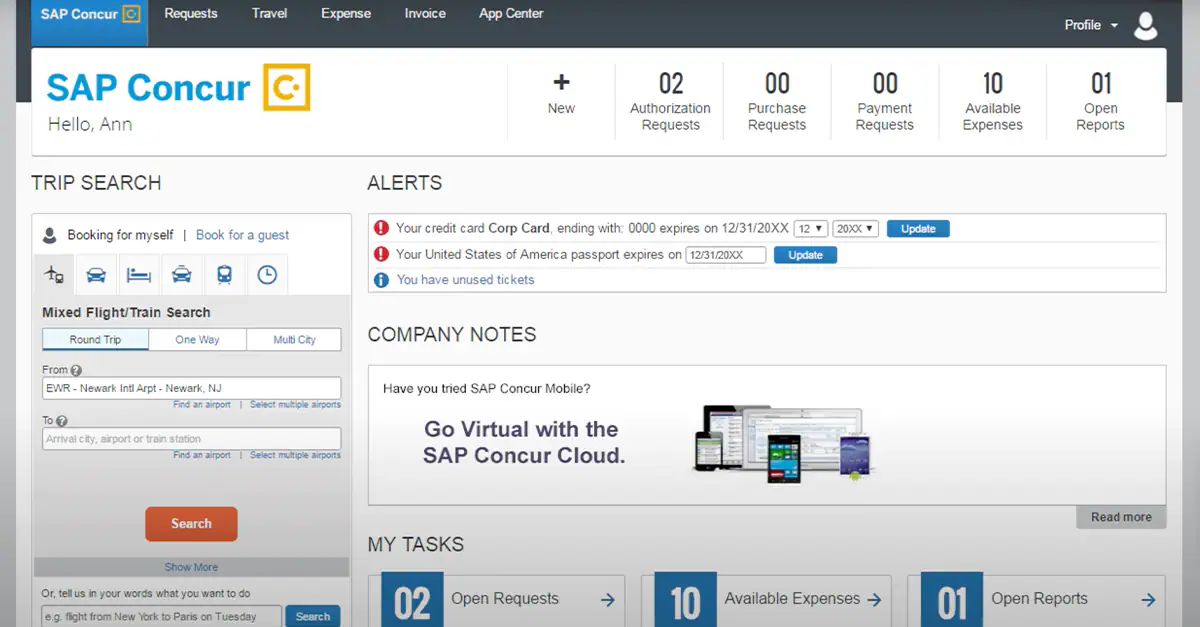
Description: SAP Concur is one of the most widely used corporate travel and expense management platforms. It offers seamless booking, policy control, and mobile access.
Relevance: A multinational company uses SAP Concur to manage global business travel for over 1,000 employees. With integrated workflows, all bookings pass through pre-set approval routes, while expenses are synced with payroll for instant reimbursements. It also provides detailed dashboards that help finance teams analyze travel spend across departments.
2. TravelPerk
Description: TravelPerk is known for its flexibility and intuitive interface. It offers real-time booking, custom travel policies, and a massive inventory of travel options.
Relevance: A mid-sized tech startup uses TravelPerk to simplify travel for its remote teams across Europe and Asia. Managers receive automated alerts when bookings go out of policy, while travelers enjoy 24/7 customer support. It streamlines post-trip reconciliation by linking bookings directly with expense reports.
3. Egencia (by American Express Global Business Travel)
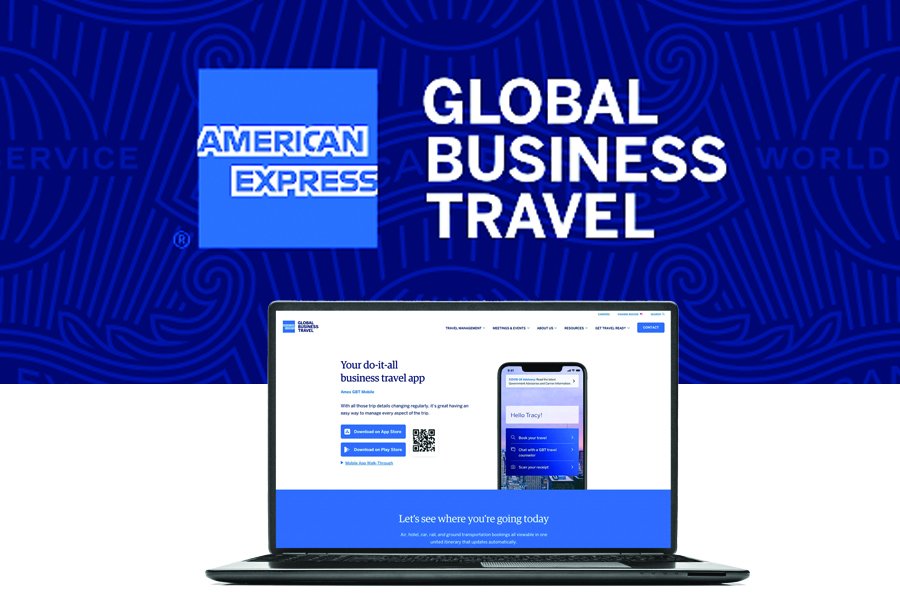
Description: Egencia caters to both large enterprises and growing businesses with smart policy controls, mobile apps, and integration with HR tools.
Relevance: A U.S.-based law firm uses Egencia to handle travel arrangements for frequent court appearances across states. Travelers benefit from personalized hotel suggestions based on past preferences, while admins access centralized billing and policy compliance tools to manage budgets effectively.
4. Navan (formerly TripActions)
Description: Navan blends AI and human support for efficient travel management. It’s known for dynamic budgeting tools and user-friendly features.
Relevance: A marketing agency managing multiple campaigns across regions uses Navan to book last-minute flights and track cost overruns. The platform adapts to changing policies and offers insights into unused bookings and potential reimbursements.
5. Zoho Expense Travel Management
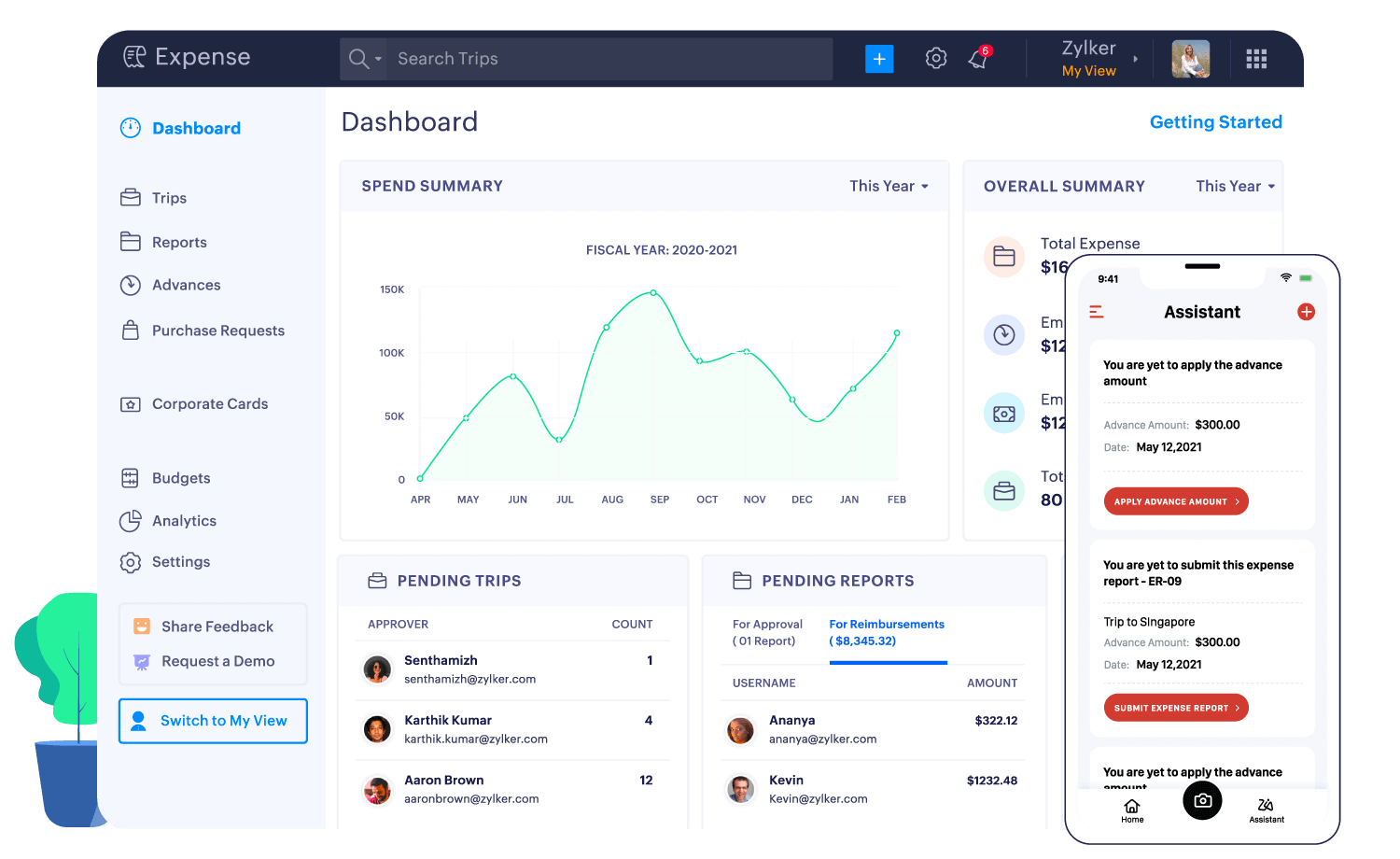
Description: Zoho Expense offers an integrated solution for businesses already using the Zoho ecosystem. It focuses on travel requests, bookings, and post-trip expense reconciliation.
Relevance: A small consulting firm using Zoho CRM benefits from seamless integration with Zoho Expense. All travel requests and bookings are logged automatically, making audits and client billing easy and transparent.
Benefits of Company Travel Booking Systems in Real-Life Situations
Company travel booking systems solve multiple pain points commonly faced by organizations:
-
Manual Booking Errors: Eliminated by self-service platforms that show real-time availability and prices.
-
Lack of Visibility: Management dashboards offer clear overviews of spending by team, project, or department.
-
Policy Violations: Automated checks prevent employees from exceeding budgets or choosing non-preferred vendors.
-
Slow Reimbursements: Integration with expense systems ensures faster approvals and payouts.
-
Traveler Inconvenience: Travelers receive itinerary changes, gate updates, and emergency support directly via mobile notifications.
These systems empower both employees and managers by offering a blend of control and convenience, reducing friction throughout the travel cycle.
Practical Use Cases Across Industries
Consulting Industry Scenario
A management consulting firm with teams traveling weekly relies on a travel booking system to manage flight and hotel coordination across client engagements. With integrated approval flows, project leads approve travel within minutes, ensuring consultants arrive on time with pre-approved itineraries.
Healthcare Sector Example
A healthcare company sends specialists to rural locations for patient care. The system helps book compliant accommodations and transport while tracking each traveler’s location to ensure their safety and compliance with medical board guidelines.
Technology Startup Use Case
A remote-first software company uses a booking platform to fly in team members for quarterly on-site meetings. By applying bulk booking discounts and controlling last-minute travel costs, the company reduces its average travel budget by 30% annually.
Education Institution Scenario
A university that organizes international academic conferences uses a travel system to handle bookings for professors and guest speakers. With centralized approval, finance departments can reconcile budgets accurately across departments.
Frequently Asked Questions (FAQ)
Q1. How is a company travel booking system different from consumer travel apps?
Consumer apps like Expedia or Booking.com focus on individual leisure travel and lack corporate controls. A company travel booking system includes policy enforcement, approval workflows, centralized billing, and compliance tracking, all of which are essential for business operations.
Q2. Can small businesses benefit from using a travel booking system?
Absolutely. Many systems offer tiered services for small and medium-sized businesses. Even with a limited travel budget, these platforms help enforce cost control, streamline approvals, and provide expense integration for smoother reimbursement.
Q3. Is it safe to store employee data in travel booking systems?
Yes, most reputable platforms use encrypted connections and comply with data protection regulations like GDPR. Businesses should choose providers with a strong track record in data security and transparent privacy policies.