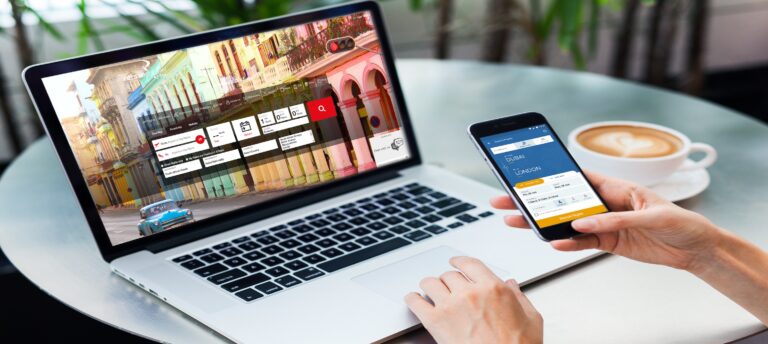
Business Travel Platform: Features, Benefits, and Real-World Use Cases for Modern Companies
Managing business travel efficiently is more important than ever in today’s fast-paced, globally connected corporate world. As companies expand across cities, countries, and continents, organizing employee travel manually can quickly become a bottleneck. That’s where a business travel platform comes into play — streamlining everything from bookings to expenses, policy compliance, and real-time support.
In this comprehensive article, we’ll explore the top informational keyword “business travel platform” by diving into what these platforms are, why they matter, how they work, their core benefits, and real-world examples of leading platforms transforming corporate travel.
What Is a Business Travel Platform?
A business travel platform is a centralized digital solution that enables companies to manage every aspect of corporate travel. From booking flights and hotels to managing expenses, enforcing travel policies, and offering real-time traveler support, these platforms automate and simplify the entire business travel process.
Unlike consumer travel websites, business travel platforms are designed with corporate structures in mind. They typically integrate with HR, finance, and accounting systems while offering enterprise-grade features like:
-
Custom travel policy enforcement
-
Approval workflows
-
Integration with travel vendors
-
Centralized expense reporting
-
Traveler tracking and duty-of-care tools
With a business travel platform, companies can achieve consistency, transparency, and control across their travel programs, especially beneficial for mid-size to large organizations with frequent travelers.
How Business Travel Platforms Work

Business travel platforms function by consolidating multiple travel services and workflows into a single, user-friendly interface. Employees use the platform to search for flights, hotels, and transportation based on the company’s travel policy. Each step — from booking to expense submission — is tracked and stored within the system.
Most platforms include mobile access, allowing employees to manage itineraries, upload receipts, and get notifications in real-time. Once travel is booked, managers receive automated alerts for approvals, and finance teams gain access to dashboards for budget tracking and compliance monitoring.
By digitizing travel management from end to end, these platforms reduce reliance on spreadsheets, eliminate manual processes, and improve the travel experience for everyone involved.
Key Benefits of Using Technology in Business Travel Management
Real-Time Policy Compliance
Business travel platforms automatically apply company travel policies to every search and booking. Whether it’s preferred hotels, maximum budget limits, or flight class restrictions, employees only see options that match company rules, minimizing policy violations.
Automated Expense Management
Platforms integrate expense tracking tools that let travelers upload receipts, categorize expenses, and submit reports without switching between apps. Finance teams can review and approve claims in real time, reducing the reimbursement cycle.
Centralized Visibility and Reporting
Companies gain full visibility into who is traveling, where they’re going, and how much they’re spending. Dashboards offer real-time analytics by department, region, or employee, helping companies forecast budgets and identify cost-saving opportunities.
Enhanced Traveler Safety
With built-in duty-of-care features, companies can track traveler locations, send alerts during disruptions, and provide emergency support when needed. These tools are critical for ensuring employee safety, especially during global crises.
Seamless Integrations
Business travel platforms often integrate with accounting software (like QuickBooks or Xero), HR platforms (like Workday), and calendar tools (like Google Calendar), streamlining workflows and reducing duplication of effort.
Real-World Examples of Leading Business Travel Platforms
1. TravelPerk
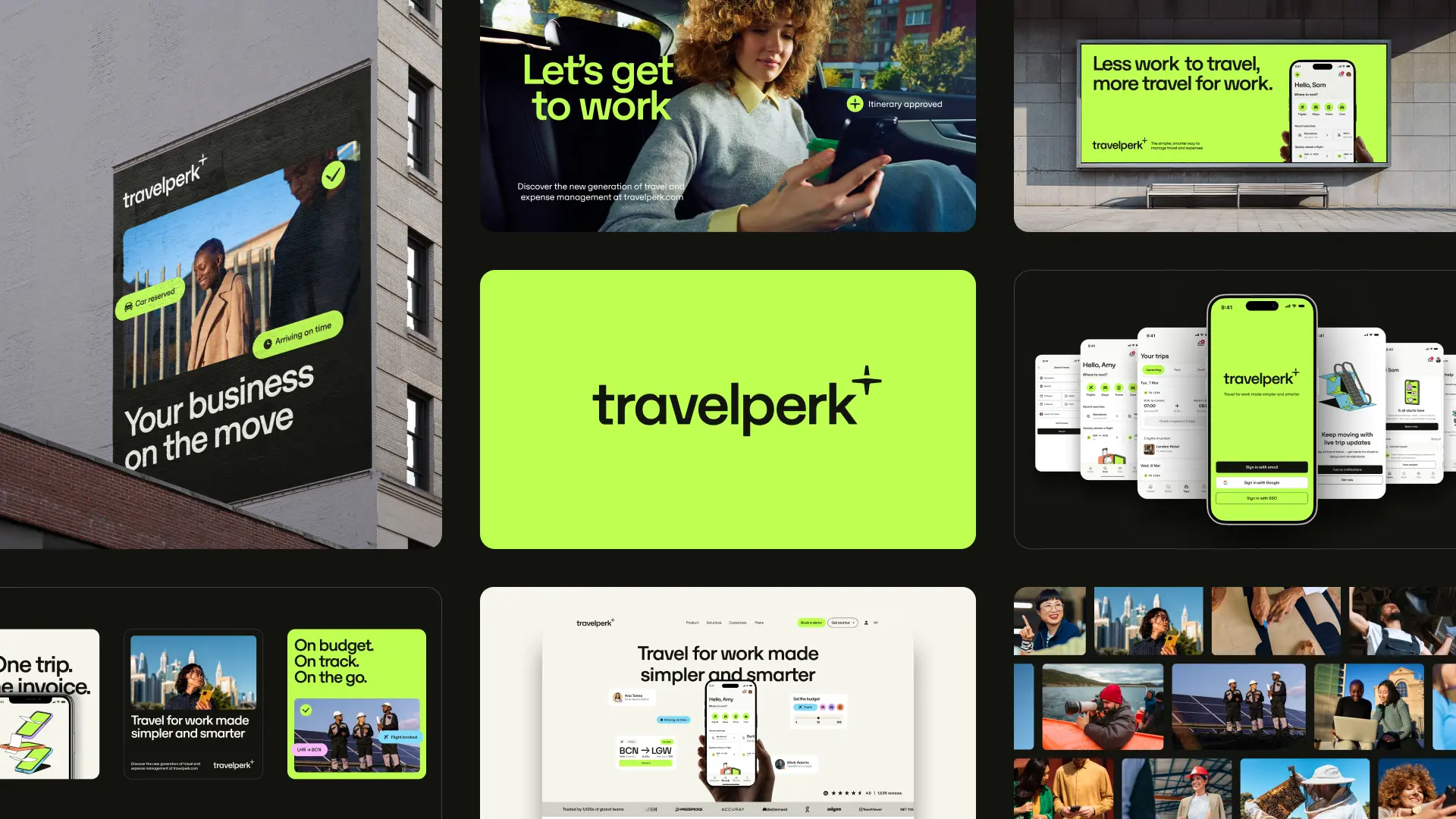
TravelPerk is one of the most user-friendly business travel platforms, especially popular with startups and growing companies. It offers an all-in-one solution that includes booking, policy management, expense tracking, and reporting.
One standout feature is FlexiPerk, which allows businesses to cancel any trip up to two hours before departure and receive a partial refund. This makes it ideal for companies operating in dynamic environments where travel plans can change last minute, also includes a carbon offset program, empowering businesses to meet sustainability goals while still offering flexibility to travelers.
2. SAP Concur Travel
SAP Concur is a widely used enterprise platform that integrates business travel with expense and invoice management. It’s ideal for larger companies that require complex workflows, strict policy compliance, and advanced analytics.
Concur’s mobile app allows users to book travel, capture receipts using SmartScan, and submit reports on the go. The platform’s strength lies in its scalability and ability to integrate deeply with ERP systems like SAP, Oracle, and others.
Its duty-of-care feature also ensures that companies are informed of travelers’ whereabouts and can provide timely assistance when needed, critical for international operations.
3. Egencia
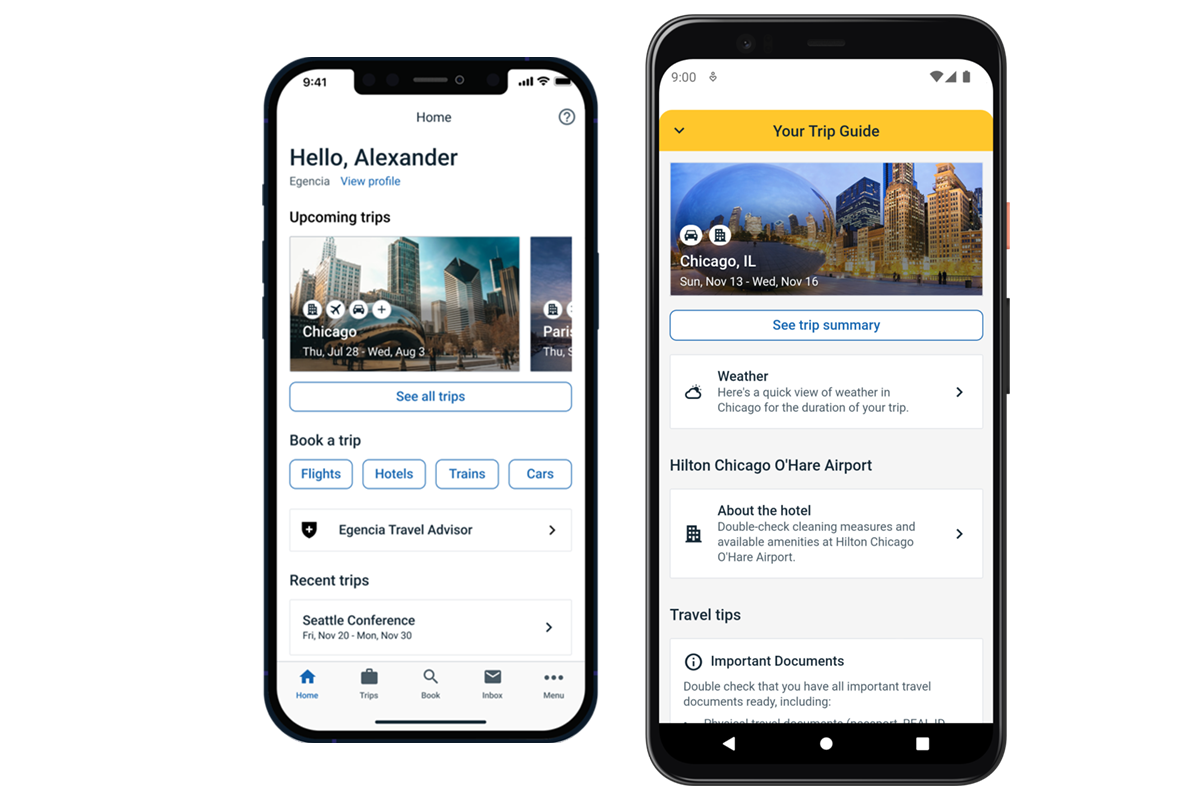
Egencia, part of American Express Global Business Travel, provides a modern platform tailored for mid-sized to large organizations. It combines powerful travel booking tools with a user-friendly design and extensive global support.
Egencia gives companies centralized control over their travel programs while still allowing individual employees to self-book within policy. Real-time data dashboards and an AI-powered booking engine help companies optimize cost without compromising comfort or safety.
Egencia’s global reach and mobile-first interface make it a practical choice for distributed teams that require both flexibility and control.
4. Navan (formerly TripActions)
Navan is a newer, fast-growing business travel platform known for its sleek user interface and AI-powered personalization. It caters to modern businesses looking for speed, automation, and traveler satisfaction.
Navan’s dynamic pricing engine recommends cost-effective travel options and offers built-in expense automation. Users can manage their entire trip — from booking to reimbursement — in one platform.
It also stands out with its proactive travel disruption support, alerting travelers of delays and suggesting real-time rebooking options. Navan is well-suited for businesses prioritizing tech-driven travel management.
5. CTM (Corporate Travel Management)
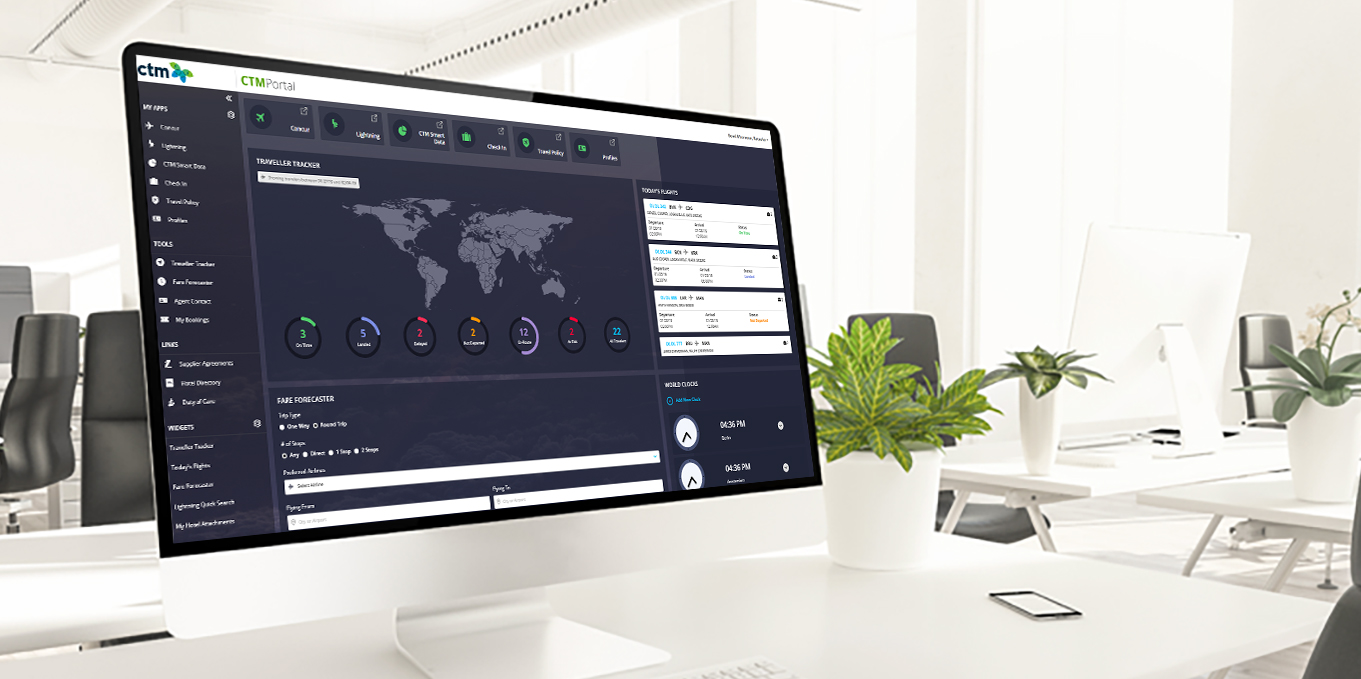
CTM offers an enterprise-grade platform with customizable workflows for travel booking, approvals, reporting, and duty of care. Their SMART Technology Suite provides advanced tools like SMART Approvals for routing requests and SMART Data for analytics.
CTM supports both self-service bookings and managed travel, making it ideal for companies with complex global travel needs. With regional offices worldwide and local support teams, CTM delivers consistency without losing regional relevance.
The platform is also optimized for energy, construction, and government sectors — industries that often require specialized logistics and compliance oversight.
Use Cases: Real-Life Problems a Business Travel Platform Can Solve
Reducing Administrative Overhead
Many companies waste countless hours on manual bookings, email approvals, and spreadsheet-based expense reports. A business travel platform automates these processes, freeing up HR and finance teams to focus on strategic tasks.
Ensuring Compliance Without Micromanagement
Instead of constantly reminding employees to follow company travel rules, platforms automate policy enforcement during the booking process. This reduces unauthorized spending without requiring constant supervision.
Supporting Remote and Global Teams
With employees working across multiple time zones and regions, travel coordination can become chaotic. Platforms offer 24/7 global support, centralized systems, and mobile access, ensuring consistent service no matter where employees are located.
Enhancing Budget Forecasting
Real-time travel data helps finance teams monitor spending trends, compare budget vs. actual costs, and adjust travel policies accordingly. This leads to more accurate financial planning and cost containment.
Prioritizing Employee Safety
Especially in uncertain times, knowing where your employees are and being able to reach them is crucial. Built-in duty-of-care features track traveler movement and allow businesses to provide emergency support when disruptions occur.
Benefits of Using a Business Travel Platform
Streamlined Booking Process
Employees can book approved travel options in minutes, without needing to compare multiple external sites. This speeds up the entire process and reduces friction.
Faster Reimbursements
By integrating expense tracking into the travel workflow, platforms accelerate the reimbursement cycle. Receipts can be uploaded instantly, and automated approvals prevent bottlenecks.
Data-Driven Decisions
Access to real-time travel analytics allows businesses to identify trends, reduce costs, and measure ROI on travel spend. Decision-makers can rely on accurate data rather than anecdotal feedback.
Increased Traveler Satisfaction
Modern platforms prioritize user experience, offering intuitive interfaces, mobile accessibility, and fast customer support. Happier travelers are more productive and more likely to comply with policy.
Scalability for Growing Businesses
Whether you’re managing a small team or a global workforce, platforms can scale with your business. Features like multi-currency support and regional compliance tools grow as your organization does.
Frequently Asked Questions
Q1. What is the difference between a business travel platform and a travel agency?
A business travel platform is a digital solution designed to automate and streamline corporate travel processes. Unlike a traditional travel agency that books travel manually, a platform integrates with corporate systems, enforces policies, and offers real-time analytics and automation.
Q2. Can small businesses benefit from a business travel platform?
Yes. Many platforms like TravelPerk and Navan cater to small and mid-sized businesses with simple onboarding, cost-effective plans, and flexible features. These tools help streamline operations and reduce admin burdens, even with limited travel volume.
Q3. Do business travel platforms support international travel?
Absolutely. Most modern business travel platforms offer global booking capabilities, multi-currency support, international compliance tools, and duty-of-care features to ensure traveler safety across borders.