
What is a Travel Management Agency and Why Businesses Rely on It
Travel has always been an integral part of business operations, whether for client meetings, conferences, or remote team coordination. Managing travel at scale, however, demands more than just booking flights and hotels. This is where a travel management agency (TMA) becomes invaluable. A TMA provides end-to-end solutions for handling corporate travel, from booking and itinerary planning to expense management and policy enforcement. As companies grow and operate globally, working with a travel management agency ensures efficiency, compliance, and cost control.
Understanding the Role of a Travel Management Agency
A travel management agency specializes in coordinating corporate travel logistics. Their core function is to streamline business trips, ensuring that employees travel safely, within budget, and according to company policies. Unlike traditional travel agencies focused on leisure travel, TMAs tailor their services specifically for businesses. They provide:
-
Centralized booking platforms
-
Real-time travel tracking
-
Expense reporting systems
-
24/7 support for business travelers
They also offer insights based on travel data analytics, helping companies optimize their travel strategies for long-term efficiency and savings.
Key Functions of a Travel Management Agency
TMAs manage a wide array of business travel elements. Below are the key areas where they add value:
Travel Booking and Coordination
TMAs provide businesses with booking tools or direct services to manage flights, hotels, car rentals, and transfers. Rather than employees searching and booking trips individually, a TMA consolidates everything under a single, centralized system—often integrated with company travel policies.
Travel Policy Enforcement
Businesses often set rules for travel—like preferred airlines or hotel class limits. TMAs ensure compliance with these policies through automated tools that flag or block out-of-policy bookings, keeping travel spend within budget.
Real-Time Support and Emergency Assistance
In case of disruptions like cancellations or travel delays, TMAs offer immediate rebooking assistance. They also provide risk management tools to track travelers and ensure their safety in real-time.
Expense Reporting and Reconciliation
After trips, TMAs support businesses with expense tracking, invoice management, and reconciliation reports. This reduces the administrative burden on finance departments while improving reporting accuracy.
Benefits of Using Technology in Travel Management Agencies
Technology plays a vital role in enhancing the efficiency and effectiveness of TMAs. These advancements bring significant benefits for both companies and employees.
Centralized Travel Management Platforms
Modern TMAs use software platforms that allow businesses to manage all travel activities in one place. Employees can book travel, access itineraries, and submit expenses through a single interface. This reduces confusion and increases visibility across departments.
Automation of Approvals and Policy Checks
Automated workflows eliminate the need for manual approval chains. When a trip is booked, the system checks it against company policies in real-time and triggers approval processes automatically—saving time and preventing compliance issues.
Advanced Analytics and Reporting
Data analytics allows companies to track travel spend, identify trends, and optimize travel programs. For example, a company may discover that switching preferred airlines saves 15% annually on airfare. These insights help shape smarter decisions and policies.
Enhanced Traveler Experience
Self-service booking tools with mobile accessibility and real-time updates enhance the traveler’s experience. Employees can check into flights, modify bookings, and access helpdesk support instantly.
Real-World Examples of Travel Management Solutions
Below are examples of companies and platforms that demonstrate how travel management agencies operate and provide value to businesses.
1. SAP Concur
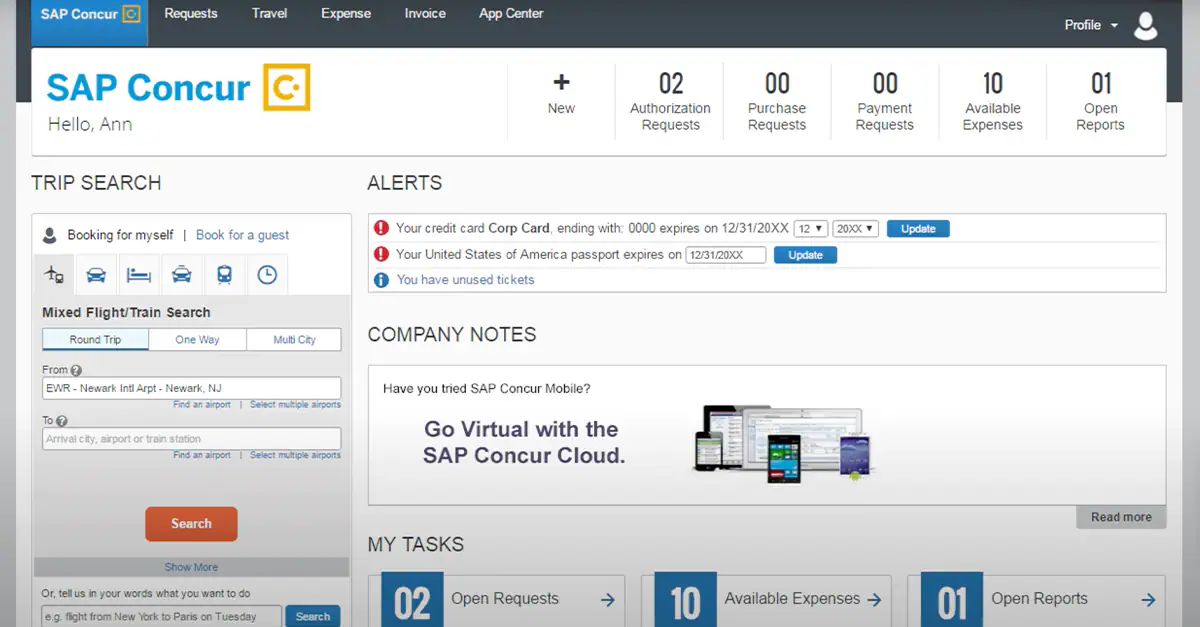
SAP Concur is one of the most widely used travel and expense management platforms globally. It provides an all-in-one solution for booking, policy enforcement, and expense reporting. Businesses benefit from its real-time integration with major airlines, hotels, and ride-hailing services. Concur also offers mobile tools that let travelers manage trips on the go.
Relevance: Ideal for large enterprises with global travel needs, Concur streamlines workflows and ensures compliance across departments.
2. TravelPerk
TravelPerk caters to small and mid-sized businesses, offering a user-friendly platform that simplifies travel booking and management. It features dynamic travel policies, real-time expense integration, and flexible cancellation options. Its “FlexiPerk” feature allows cancellations for any reason with 80% refunds, adding adaptability for uncertain plans.
Relevance: Especially useful for startups or growing teams needing flexibility and automation without heavy infrastructure.
3. CWT (Carlson Wagonlit Travel)
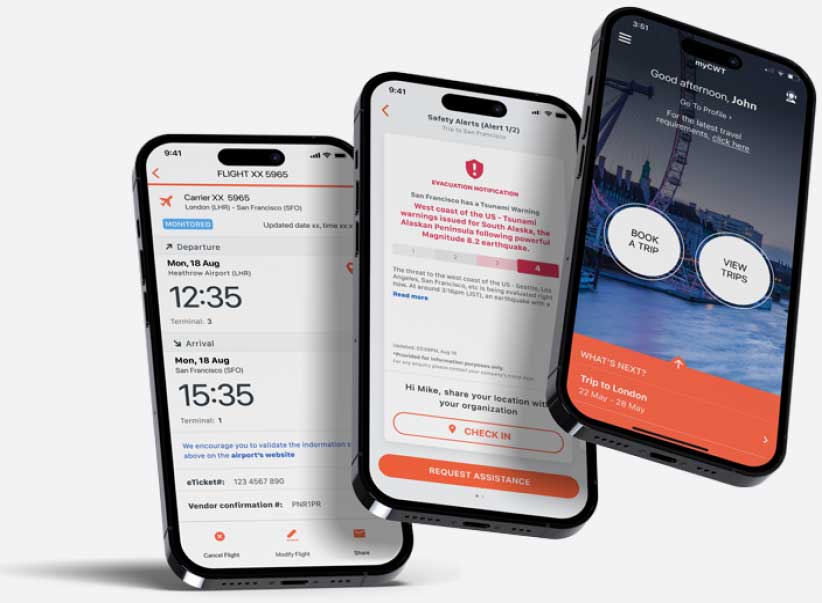
CWT is a full-service travel management agency serving large enterprises and government organizations. It provides 24/7 agent support, comprehensive reporting, and strong risk management features. CWT’s platform allows HR and finance teams to track travelers globally and ensure adherence to company protocols.
Relevance: Best for organizations needing high-touch service, security, and robust global support.
4. Egencia
Egencia, a part of American Express Global Business Travel, is designed to deliver personalized travel experiences while keeping costs under control. With predictive pricing, dynamic policy features, and seamless integrations with HR tools, it helps companies manage travel programs efficiently.
Relevance: Perfect for companies looking for personalized travel planning with strong analytics and integrations.
5. Navan (TripActions)
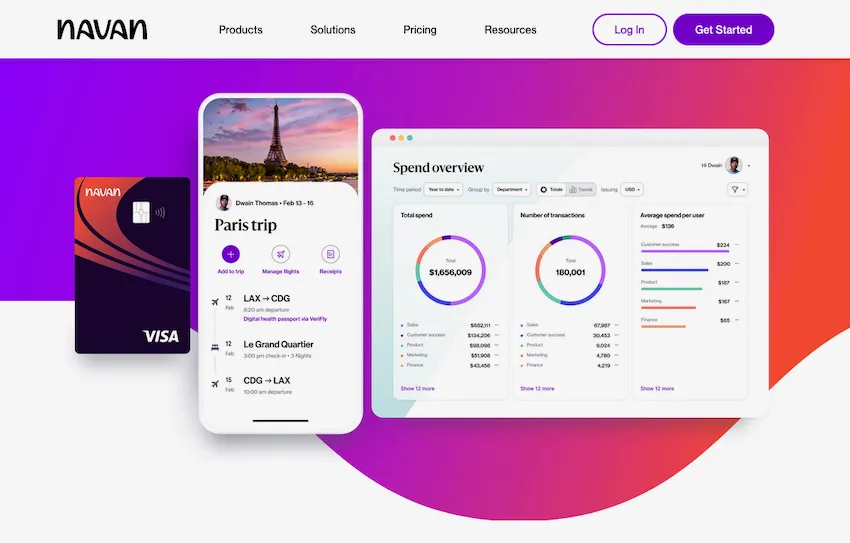
Navan blends AI-powered travel booking with intuitive mobile tools. It offers smart itineraries, automated approvals, and integrated expense systems. What sets it apart is its proactive travel disruption alerts and in-app travel agent support.
Relevance: Suitable for tech-forward businesses that value automation, real-time insights, and employee satisfaction.
Use Cases: How a Travel Management Agency Solves Real Problems

A travel management agency is more than a booking tool—it solves real operational challenges in today’s fast-paced business world.
Reducing Travel Spend Across Departments
Companies with decentralized travel often face bloated budgets and untracked spending. TMAs bring visibility and central control, enabling better budgeting and negotiations with vendors.
Improving Safety and Duty of Care
With geopolitical uncertainties and natural disasters, tracking employee locations and providing immediate support is critical. TMAs offer tools that monitor travelers and initiate emergency procedures, ensuring employee well-being.
Streamlining Administrative Processes
From trip approval to invoice reconciliation, a TMA automates manual tasks, freeing HR and finance teams to focus on strategic initiatives rather than paperwork.
Enabling Consistent Traveler Experience
Employees don’t need to guess which airlines or hotels to use, or how to submit expenses. TMAs offer standardized procedures that improve travel experience and ensure policy compliance without micromanagement.
Supporting Global Expansion
As companies expand internationally, managing travel across regions becomes complex. TMAs offer multi-language support, regional compliance guidance, and vendor partnerships across continents—critical for global teams.
Frequently Asked Questions (FAQ)
Q1. What is the difference between a travel management agency and a traditional travel agency?
A travel management agency focuses specifically on business travel, providing policy enforcement, centralized platforms, expense management, and real-time support. Traditional travel agencies typically handle leisure travel and do not offer corporate-level tools or integrations.
Q2. Do small businesses benefit from using a travel management agency?
Yes. Many TMAs offer solutions tailored to small and mid-sized businesses. These platforms can help even small teams save money, automate bookings, and simplify expense tracking without needing a dedicated travel coordinator.
Q3. How does a travel management agency improve compliance with corporate travel policies?
TMAs integrate policy rules directly into booking systems. They automatically flag or block out-of-policy bookings and route them for approval. This ensures consistent adherence to company rules, minimizes risk, and reduces travel costs.