
Travel Management for Business: Essential Guide with Tools and Use Cases
Business travel management refers to the strategic approach companies take to plan, organize, and optimize corporate travel. This involves managing bookings, expenses, itineraries, compliance with travel policies, and ensuring the safety and productivity of employees on the move.
Understanding Travel Management for Business
As businesses expand across geographies, travel becomes essential for meetings, client visits, conferences, and training sessions. Without proper management, travel can become costly, disorganized, and risky. A centralized business travel management system streamlines the entire process, providing visibility, cost control, and improved traveler experience.
Key Components of Business Travel Management

An effective travel management strategy includes several core components. These typically involve policy creation, approval workflows, integration with booking engines, expense tracking, duty of care, and analytics reporting.
Travel managers or finance departments often collaborate with corporate travel management companies (TMCs) or adopt software solutions that automate and optimize travel planning. These platforms ensure employee compliance, reduce overspending, and support real-time adjustments when needed.
Benefits of Technology in Business Travel Management
Technology plays a pivotal role in transforming business travel. Automated booking systems, mobile travel apps, and integrated expense tools are just a few examples of how innovation enhances efficiency.
Using travel tech eliminates manual processes, minimizes human error, and allows for instant policy enforcement. It also helps companies take advantage of negotiated rates, track traveler locations, and generate actionable reports that inform budget planning and policy refinement.
Real-World Examples of Business Travel Management Tools
1. SAP Concur
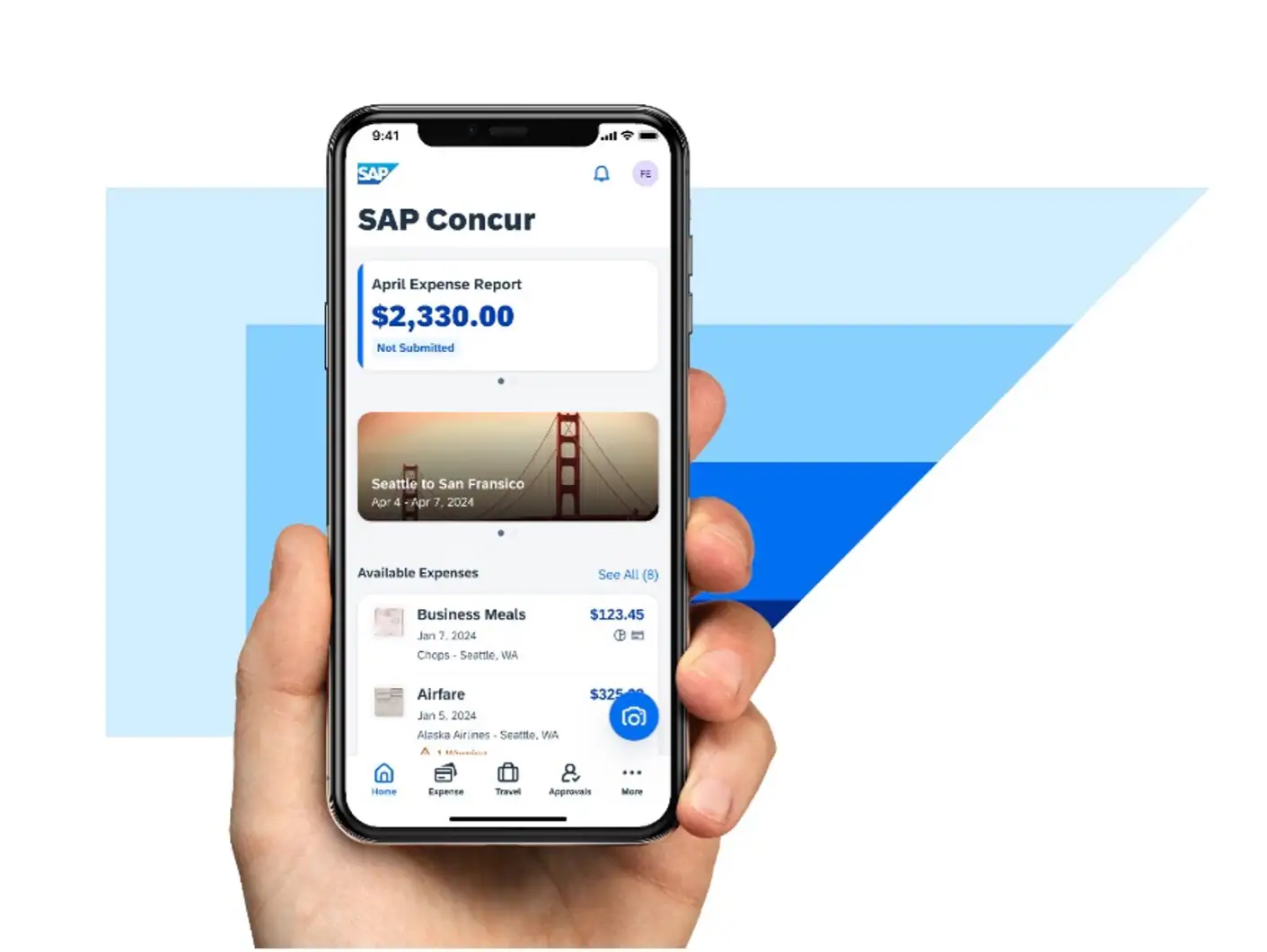
SAP Concur is a globally recognized business travel and expense management tool. It enables organizations to book flights and hotels, manage expenses, and enforce policy compliance all in one platform.
Its mobile app allows employees to capture receipts, submit expense reports, and receive travel updates. With real-time insights and integrations with accounting systems, SAP Concur helps companies optimize travel budgets while ensuring compliance.
2. TripActions (Navan)
TripActions, now branded as Navan, is a modern travel and expense platform tailored for small to enterprise-level companies. It offers AI-powered travel booking, expense automation, and policy controls.
Its standout features include dynamic pricing, traveler support through in-app chat, and real-time expense insights. Navan helps finance teams reduce leakage and gives travelers a seamless booking experience that aligns with corporate guidelines.
3. TravelPerk
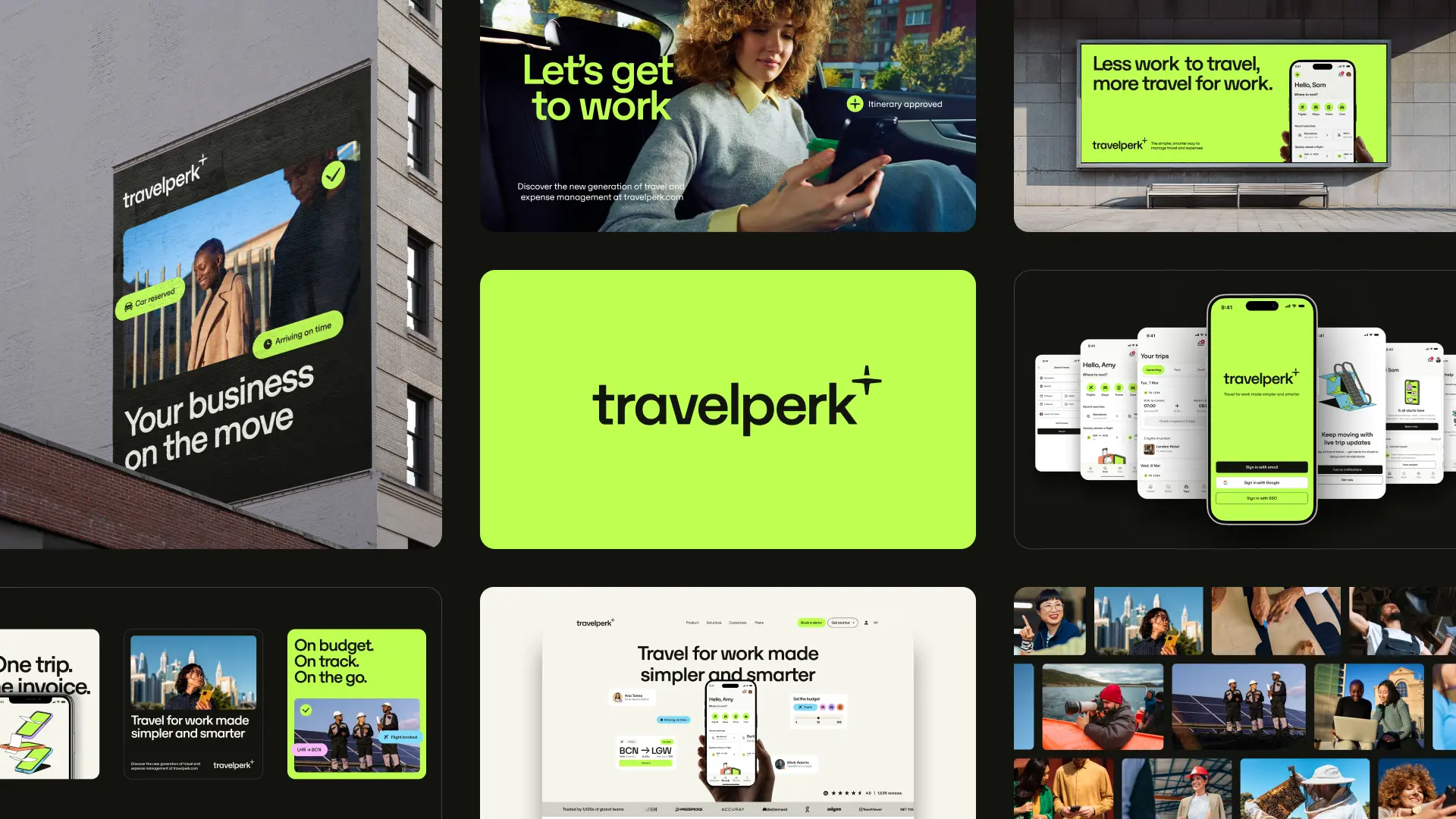
TravelPerk is a fast-growing business travel management platform ideal for SMEs. It offers an easy-to-use interface for booking flights, trains, and accommodations, with built-in policy controls and carbon offsetting options.
One of TravelPerk’s strengths is flexibility — including features like free cancellations and a wide choice of inventory. It also offers an open API, enabling integration with HR and expense software, improving operational efficiency.
4. Egencia
Egencia, part of American Express Global Business Travel, provides a full-service platform for corporate travel. It supports policy enforcement, traveler tracking, and detailed reporting tools tailored for mid to large businesses.
Its AI features and 24/7 traveler support make it a preferred choice for companies needing personalized service and reliable travel disruption management. Egencia also supports carbon tracking for sustainability-conscious companies.
5. MyCWT (CWT)
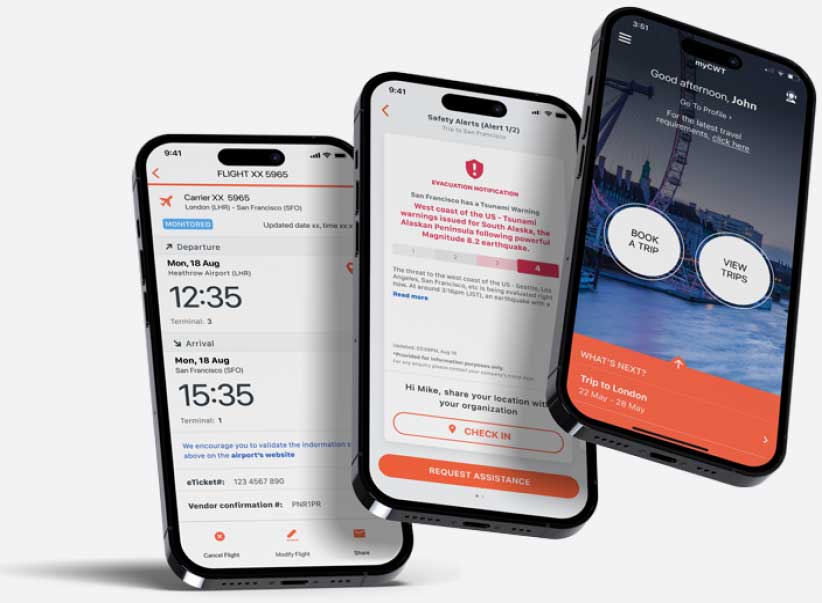
MyCWT offers comprehensive corporate travel solutions with a focus on safety, savings, and service. The mobile app empowers travelers to manage trips, receive alerts, and submit expenses while on the go.
Its analytics dashboard provides visibility into travel spend and trends. With duty of care capabilities, MyCWT supports businesses in ensuring employee safety and swift communication during emergencies or global disruptions.
Practical Benefits for Businesses
Business travel management software ensures efficient planning, cost savings, and real-time visibility. With centralized platforms, companies avoid redundant bookings, track travel spend, and ensure policy compliance.
These tools also enable better communication, traveler support, and duty of care. For instance, travel managers can immediately locate and assist employees during crises, enhancing safety and minimizing downtime. Furthermore, automation reduces time spent on approvals and reimbursements, freeing up HR and finance teams to focus on higher-value tasks.
Use Cases: How Travel Management Helps Solve Real Problems
Controlling Travel Expenses
One of the most common issues in unmanaged business travel is budget overrun. With automated travel management solutions, organizations can set pre-approved vendors, price caps, and workflows that prevent overspending.
These systems flag policy violations in real time and give finance teams visibility into trends, allowing them to optimize future budgets and negotiate better rates with suppliers.
Ensuring Duty of Care
Duty of care is a legal and ethical obligation for employers to ensure the safety of employees while traveling. Modern travel management apps track traveler location, provide health and safety alerts, and offer emergency support.
During global disruptions like pandemics or political unrest, this feature becomes vital in making fast, informed decisions to safeguard employees.
Streamlining Travel Approvals
Traditional approval methods like emails and spreadsheets delay decision-making. Travel management apps automate this by routing requests through custom workflows. Managers can approve or deny trips through mobile notifications, speeding up the process without compromising policy control.
Managing Travel at Scale
For companies with global operations, coordinating travel across teams and time zones is challenging. Travel management platforms allow centralized oversight, support multiple currencies, and integrate with global travel partners — reducing the complexity of managing hundreds of itineraries.
Improving Employee Satisfaction
Travel fatigue and administrative burdens affect employee morale. A seamless booking process, mobile-friendly itinerary access, and fast reimbursements contribute to a better travel experience, boosting productivity and satisfaction.
Frequently Asked Questions (FAQ)
Q1. What is a travel management system for business?
A business travel management system is a platform or software solution that helps companies plan, book, and manage corporate travel. It includes tools for policy enforcement, real-time tracking, expense management, and reporting.
Q2. Why is travel management important for businesses?
Effective travel management helps reduce costs, ensure compliance with travel policies, improve employee safety, and streamline booking and expense processes. It provides visibility into travel spend and allows better strategic planning.
Q3. Which features should I look for in a business travel management app?
Key features include policy integration, real-time booking, mobile access, expense reporting, travel alerts, and duty of care support. Integration with HR or accounting systems and responsive traveler support are also important.